
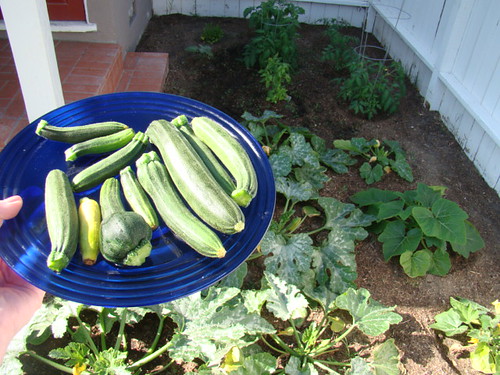
Organic gardening is an activity that a lot of households want to do and think about, but never tackle. The task may seem daunting and complicated to those unfamiliar with it. You can use the information in this article to learn how to garden with ease, and you may actually find yourself enjoying it.
Water containing some aspirin helps your plants fight illness. One and half tablets of aspirin in a couple gallons of water will be a wonderful help to the plants you have. Spray your plants with the water if they have a disease. You should spray your plants about once every three weeks.
If you like the concept of organic gardening, then why not take it one step further by leaving some of your land undeveloped for the area’s wildlife? You will find that many of the supporting cast of insects and birds that aid in plant production and pollination will be present on your land and actually help your developed gardens to produce better.
Organic indoor plants may need additional light sources to make up for the light they miss out on by being indoors. This needs to be considered. If you live in a home or apartment that does not get great sunlight you may want to consider growing plants that are designed to grow in low or medium-light environments. If you have a different type of plant, extra lighting can always help.
Preparing a plot for planting a perennial garden can be done quickly and without difficulty. All you need to do is use a garden spade to slice under the turf, flip it over, then spread wood chips over the area about three to four inches deep. After a few weeks, dig, then plant your perennials.
It can be hard at times to grow your own organic garden, yet it is so much more rewarding in the end. While chemical-based gardening products make bold claims, it is hard to dispute that organic gardening consistently produces superior results.
Overall, a layer of mulch is beneficial for the soil. Mulch will protect and nourish the soil. It protects the plant roots, keeping the ground cool on a hot summer day. This will ensure your soil stays moist by reducing the time in which it evaporates. It can also help alleviate any weed issues.
The lack of pesticides in organic gardens is a major benefit. Although this is better for your health, you do need to check organic produce for infestation of bugs before eating it.
Garlic Cloves
It’s time to plant some organic garlic. Plant garlic cloves individually. Do this in early spring or during the fall in moist and well drained soils. Plant your garlic cloves around 1-2 inches into the ground, making sure the end is pointed up and they are four inches from each other. The green shoots can be used as they grow. Use them in place of scallions or chives. You can harvest the bulbs as the tops begin to turn brown. Allow the sun to dry out the bulbs for a few days until the skin gets hard. You should store your garlic cloves in a cooler area and tie them in some bunches.
Once you understand and begin utilizing the tips you have read, the thought of working on your own organic garden should not seem intimidating at all. Incorporate the knowledge you have gained here and apply it to your own garden, and soon you will have a kitchen filled with delicious meals.
If you were interested in learning about austinhomeandyard.com, you will now know that this is the place to be. Since you now have a good amount of knowledge about austinhomeandyard.com in your brain, you are ready to start acting on that information. Now that you have read this article, it is time to soak the information in and learn from it.