
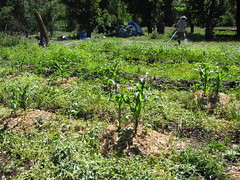
A smart way to build a healthier diet is to start an organic garden. Much patience and effort are required though, in order to produce a successful and flourishing organic garden. Oftentimes, new gardeners can be intimidated because they’re not quite sure where to start.
If you want your children to enjoy your organic garden, plant some tasty strawberries. Children enjoy picking fresh fruit, especially if they can eat it right away.
After your seeds begin to sprout, it is not as important to keep them warm. As your plants grow, you will want to put a little distance between them and heat. Make sure you remember to remove any plastic films that were on the plant containers to repel humidity and warmth. Watch your seeds closely to know how to go about this.
Learn the right way to buy your plants. Find out if you are supposed to buy them when they are in bloom, when they are budded, or at some time in between. When it comes to perennials and annuals, this is particularly important. YOu’ll want to be certain to get the ones that have budded but not bloomed. Therefore your root system within your garden can become stronger in the end.
Your garden can greatly benefit from the use of companion plants. A lot of plants will help their neighboring plants when they are paired together. These plants will help make the soil rich in nutrients and keep pests away, which will reduce your need for fertilizers or pesticides. Plant herbs with strong smells next to vegetables in order to prevent insects from coming around.
Be aware of seasons and climates when you are watering, and change accordingly. Depending upon whether it is morning, noon or night, the chemical composition of your local water supply and soil type may determine your water usage needs. For instance, in warm and balmy locations, it is important not to water leaves, as doing so tends to foster fungus growth. Instead, water the roots only.
Use a few inches of organic materials to mulch your flowerbed or garden. Mulch adds nutrients to the soil, keeps the soil moist, reduces weed growth, and makes beds look tidier.
When preparing a home-cooked meal, save your excess vegetable trimmings and mix them in with the soil in your garden. These vegetable pieces will quickly begin to decay, leeching vital nutrients directly into your new growing plants. You can still compost with partial amounts, but save some for immediate use in the garden.
Organic gardening requires work, effort and research. It is also important to understand that positive results require continued work; your efforts will not be a one time only thing. If you apply the tips you have just read, you should be able to grow healthy plants.
You can read up for days on austin landscaping. There is a phenomenal amount of information out there. You must spend a great deal of time learning all that you need to know. The facts and tips you learn today, will help you for many years to come. Spend today learning and tomorrow you’ll have a new bank fillled with information and need-to-know concepts.