
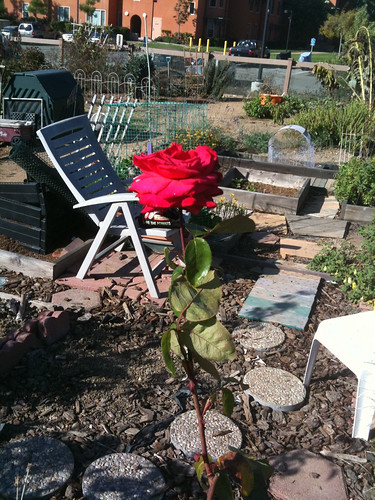
People have many different reasons for considering an organic gardening approach. For example, some people appreciate the health benefits but are unsure about what equipment and tools are needed to get started. There are numerous seed choices as well. Follow these steps to grow your very own organic garden.
If you have a high priority for sustainability in your organic gardening, try leaving a corner of the property undeveloped as a mini wildlife refuge. This can be a good area for the types of insects that pollinate plants. It can also be a sanctuary for birds, which will help some plants thrive. This can greatly improve the production of your organic garden.
Having a garden of perennials can be an easy and quick process. Slice under the grass with a spade, flip the layer you have lifted over, and spread three inches of wood chips on top. After a few weeks, you can then dig into the turf and plant the perennials of your choosing.
Keep your garden tools close at hand to make the most of your gardening time. You have several options including using a bucket to hold your tools or wearing pants with lots of sturdy pockets. Have gloves, small shears, a trowel and any other tools you may need on hand to make it simpler to maintain your garden.
Work properly in your garden. Don’t waste your time by searching high and low for that packet of seeds or spade. In addition to keeping your gardening tools in one location, you should also clean your tools after each use. Get a tool belt if you need to, or a pair of pants with a lot of pockets.
Pine Needles
For some plants, pine needles makes an ideal mulch. Acidic soil is a favorite of garden plants that are high in acidity. Plants like these thrive when you use pine needles as mulch. Cover the beds with a couple inches of needles and as they decompose, they will disperse acid to the soil.
Coffee grounds can benefit many types of soil. Coffee grounds have nitrogen that plants will utilize. Plants need an adequate nitrogen source in order to thrive. Adding coffee grounds, chemical fertilizer, or diluted urea to your soil increases the soil’s nitrogen content and will help to make your plants grow faster, taller and healthier.
An old laundry basket makes a great way to gather your harvest. The laundry basket will function as a makeshift strainer for the fruits and vegetables. Doing this allows you to both rinse and drain your fresh produce.
Ruffle the seedlings carefully with a piece of soft cardboard or your hands twice a day. This sounds like total nonsense, but there is research suggesting that it does promote plant growth relative to unpetted plants.
In order to construct your raised beds, make use of untreated brick, stone, wood and other materials. For best results, you should only use wood that has not been treated with chemicals or protective coating. The most popular options for this type of project are cypress, locust and cedar woods. Treated wood can leach chemicals into any soil it rests against, so don’t use it in a garden with vegetables. If you have used treated lumber, line your beds with plastic.
Organic gardening may sometimes require more effort than resorting to chemicals, but the payoff in the end is well worth the work. Growing organic is healthier and just overall better for you. Make sure you try your best to grow organic as opposed to adding chemicals to your garden.
Organic Garden
As you read, an organic garden can be incredibly important to your current and future dietary habits and so is understanding all the different kinds of plants you can grow. Utilizing the tips above is a great place to start when planning to grow a healthy and beautiful organic garden.