
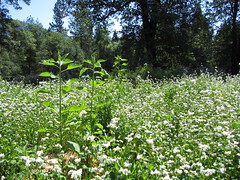
Planting an organic garden gives you easy access to a source of healthy food, but buying what you need and getting it set up can be tough for a first-timer. There are a multitude of seeds and starter plants available. Here are some steps you can take to ensure you get what you need to grow your organic garden.
Weeds are a potential downfall for any garden, organic or not. This organic weed killer helps keep both you and the environment safe.
When you mulch your garden beds with organic material, make sure it’s about three inches deep. This will help your garden by adding nourishment to the soil, holding in moisture levels, inhibiting the growth of unsightly weeds, and creating a noticeably more professional look.
Just as when outside, plants kept inside need varying degrees of sunlight, which can be harder to obtain from indoors. The amount of light available can determine which type of organic plants you should grow. For example, if your living area does not provide much natural sunlight, you could grow those plants that only need low to medium amounts of natural light to thrive. If you already have plants that need full light and the natural light provided is not sufficient, artificial lights can supplement their needs.
Coffee Grounds
Coffee grounds are a great addition to soil. Your plants will thrive from the nitrogen contained in the grounds. The coffee grounds act as a powerful nitrogen source that will help your plants bloom much quicker.
Turn your organic garden into a shade garden. This kind of garden requires surprisingly little maintenance, which is a relief for those without much time to devote to gardening. They don’t require as much watering, and that can save you a lot of time and effort. The only downside is a slower growth, but this also means less weeds.
Don’t waste or discard that precious rainwater. Use barrels, buckets or any other appropriate containers to provide water for your garden. This prevents the need to pay for water used in your garden. Rain is free to use. Rainwater works just as well as water from other sources, so you might as well use it.
You need to make sure you are very efficient when working in your organic garden. Don’t spend 30 minutes searching for a tool. Keep your tools well-maintained and stored away in a designated place. That way you always know where they are and they are ready to use when you need them. Invest in a tool belt or wear pants that have lots of pockets.
Compost can be very useful when you decide to grow a garden organically, yet a lot of people don’t know what compost is made up of. Most compost is made of clippings of leaves, grass, small twigs, straw and other biodegradable matter. This matter is allowed to ferment into a nutrient rich soil. Make some compost, and start using that rather than costly commercial fertilizers.
Organic Garden
A well-cared for organic garden can enhance the beauty of your property and be a source of dietary nutrition. Knowing what and when to plant is also something to keep in mind. Applying the advice of this article will hopefully help you cultivate a successful organic garden to fortify the healthy diet of your family.
Are austin landscaping confusing to you? You are not the only one. Luckily, you have learned some great information here. Reread it as often as you need to retain the information within.