
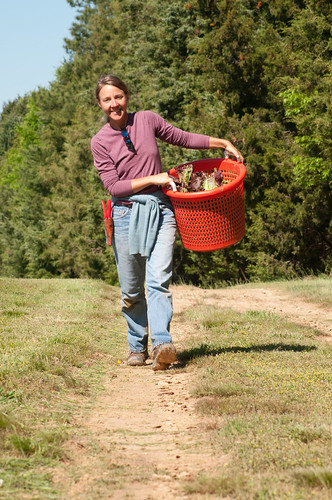
When you use proper techniques when organic gardening, you will tell from your harvest! It signifies that you have care for your plants and you desire good health for them. People will admire you because of this, and you will get a lot of respect from the organic gardening community. However, there are always ways to learn new skills, and hone your existing ones. The following tips can assist you.
Aspirin water has disease-prevention properties that can protect plants. One and a half aspirin, dissolved in two gallons of water, can be a great addition to your plants. Then spray your plants with this mixture to stave off diseases. Use this method to spray your plants every three weeks.
If sustainability and organic gardening are appealing to you, leave a portion of the property you own undeveloped to give wildlife a place to thrive. Doing this will allow creatures that help plants to produce and pollinate to continue their actions, which will have a positive effect on the garden you develop.
Just as when outside, plants kept inside need varying degrees of sunlight, which can be harder to obtain from indoors. If your home does not let in sufficient light, then consider getting plants that thrive in low-light situations. Otherwise, you could simply use your own lights.
Before planting your favorite perennials, you must first prepare the ground. It isn’t as hard as it may seem; you basically just slice down under the turf, flip it over, and spread wood chips four to three inches. Give this area at least a few weeks, then you can dig into the area and plant the new perennials.
Coffee Grounds
Try using coffee grounds on the soil. Coffee grounds have nitrogen that plants will utilize. Nitrogen is a nutrient that will help your plants grow taller and bloom faster, so use those coffee grounds, extra compost, or diluted urea to make this happen.
In your compost, use green and dried plants in equal parts. Green plant material consists of spent flowers, veggie and fruit waste, leaves, weeds, and grass clippings. Dried material includes straw, shredded paper, and cardboard. Avoid meat, ashes, charcoal, plants with diseases and manure from carnivores.
If you are starting your seedlings out in small containers, you should use a layer of potting soil that is three times as deep as the size of a single seed. However, you should be aware that certain seeds should not be covered at all because they are required to be in the sunlight. Petunias and ageratum are two examples of seeds that require sunlight. Always be sure to check online or with the company you’re purchasing the seeds from as to their sunlight needs.
You already have the products, the tools and the skills to get those organic gardens going. That’s wonderful! Learning is a constant process, so use the insights gained here to enhance your skills in organic gardening. You have likely, however, learned at least one thing that will be well put to use in your garden.
Lots of folks want to understand the subject of https://austinhomeandyard.com/ but don’t know where to begin. Luckily, you will be able to find all the information you need right here. Just put all this advice to good use.